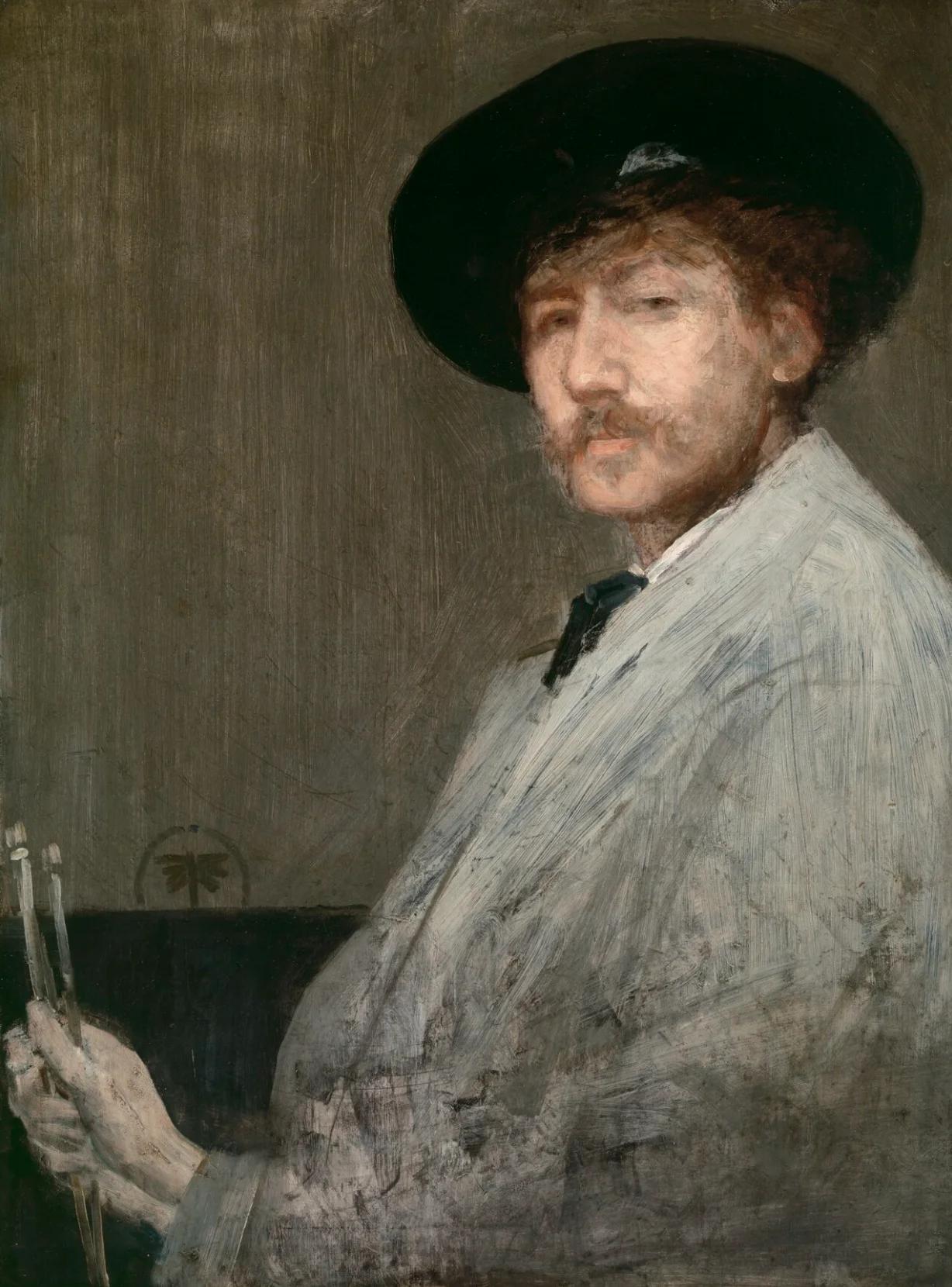
Public domain Arrangement in Gray: Portrait of the Painter (self portrait, c. 1872), Detroit Institute of Arts
James Abbott McNeill Whistler
American
1834 - 1903
"An artist is not paid for his labor but for his vision."
Did you know?
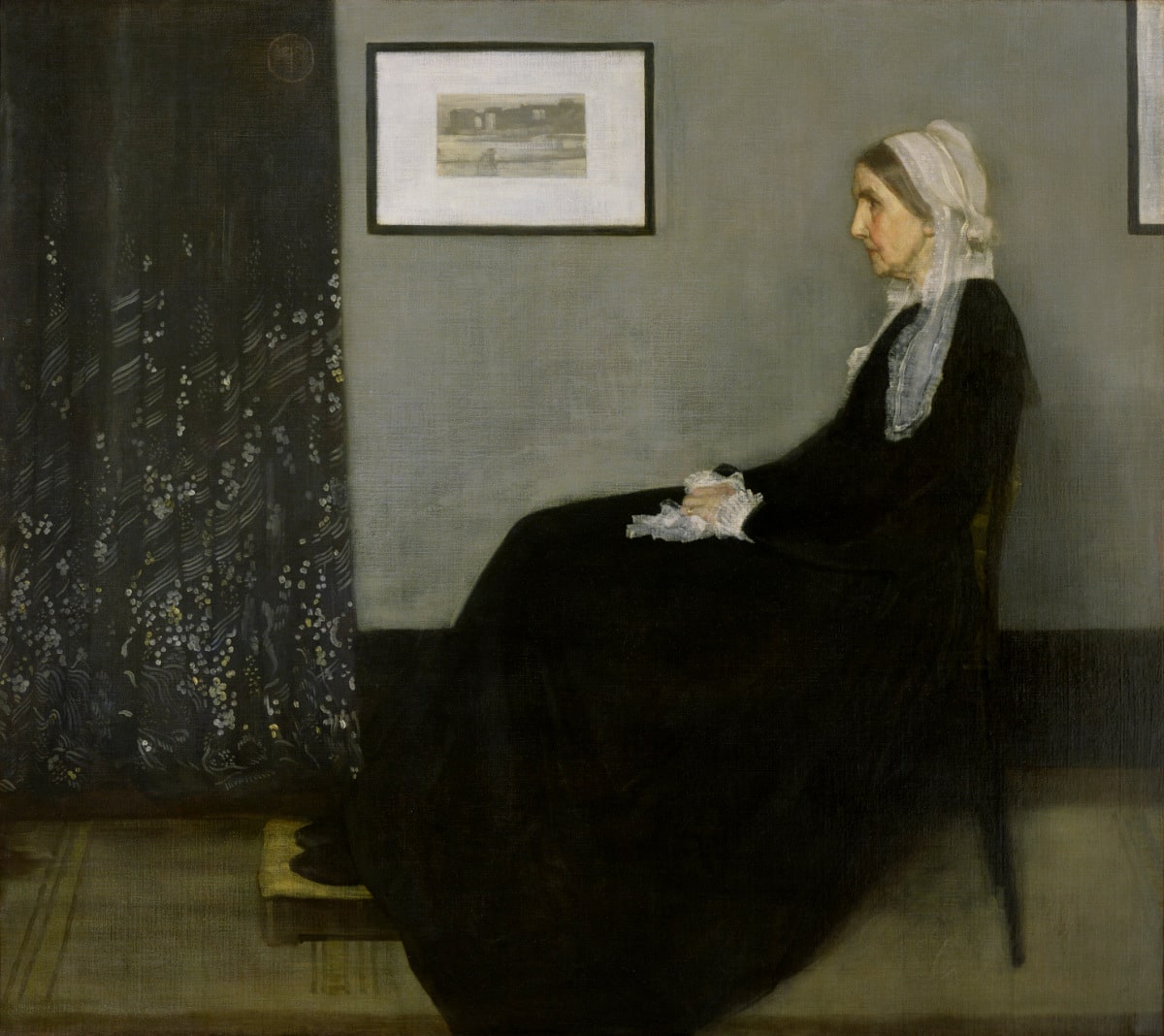
Un dato curioso sobre Arrangement in Grey and Black No. 1 —más conocida como La madre de Whistler— es que la pintura nunca tuvo la intención de convertirse en un icono. Whistler planeó originalmente usar una modelo de pie, pero cuando ella se cansó, le pidió a su madre que se sentara en su lugar. Lo que comenzó como una solución práctica evolucionó hasta convertirse en una de las imágenes más reconocibles del arte occidental, transformándose más tarde en un símbolo de la maternidad, la contención y el retrato moderno, mucho más allá de las intenciones originales de Whistler.
Biography
James Abbott McNeill Whistler was an American painter in oils and watercolor, and printmaker, active during the American Gilded Age and based primarily in the United Kingdom.
He eschewed sentimentality and moral allusion in painting and was a leading proponent of the credo "art for art's sake".
James McNeill Whistler was important for redefining painting as an art of mood, harmony, and aesthetic experience rather than narrative or moral storytelling. He championed the idea of “art for art’s sake,” emphasizing color, tone, and composition, most famously in works like Arrangement in Grey and Black No. 1 (Whistler’s Mother). Whistler also played a key role in bridging Realism, Impressionism, and Symbolism, influencing modern approaches to abstraction and the autonomy of art.